New Zealand's political and cultural capital, a compact harbour city of intellectual energy, remarkable institutions, and a South Coast where cliffs meet the Tasman in conditions that have no parallel elsewhere in the country.
Wellington surprises those who arrive expecting a smaller Auckland. It is smaller, but it is not lesser, and in several respects it is sharper, more concentrated, and more interesting. As New Zealand's capital, it carries a different kind of weight: Parliament, the diplomatic corps, the national cultural institutions, a university of genuine standing, and a hospitality scene that punches well above its scale.
The housing stock in Wellington's premium precincts, Kelburn, Oriental Bay, Roseneath, Seatoun, Miramar Peninsula, is architecturally distinctive, often perched on hillsides with harbour views that are unlike anything available in Auckland. The city is compact enough that proximity to everything, the airport, the waterfront, the best restaurants, the concert hall, is simply a given.
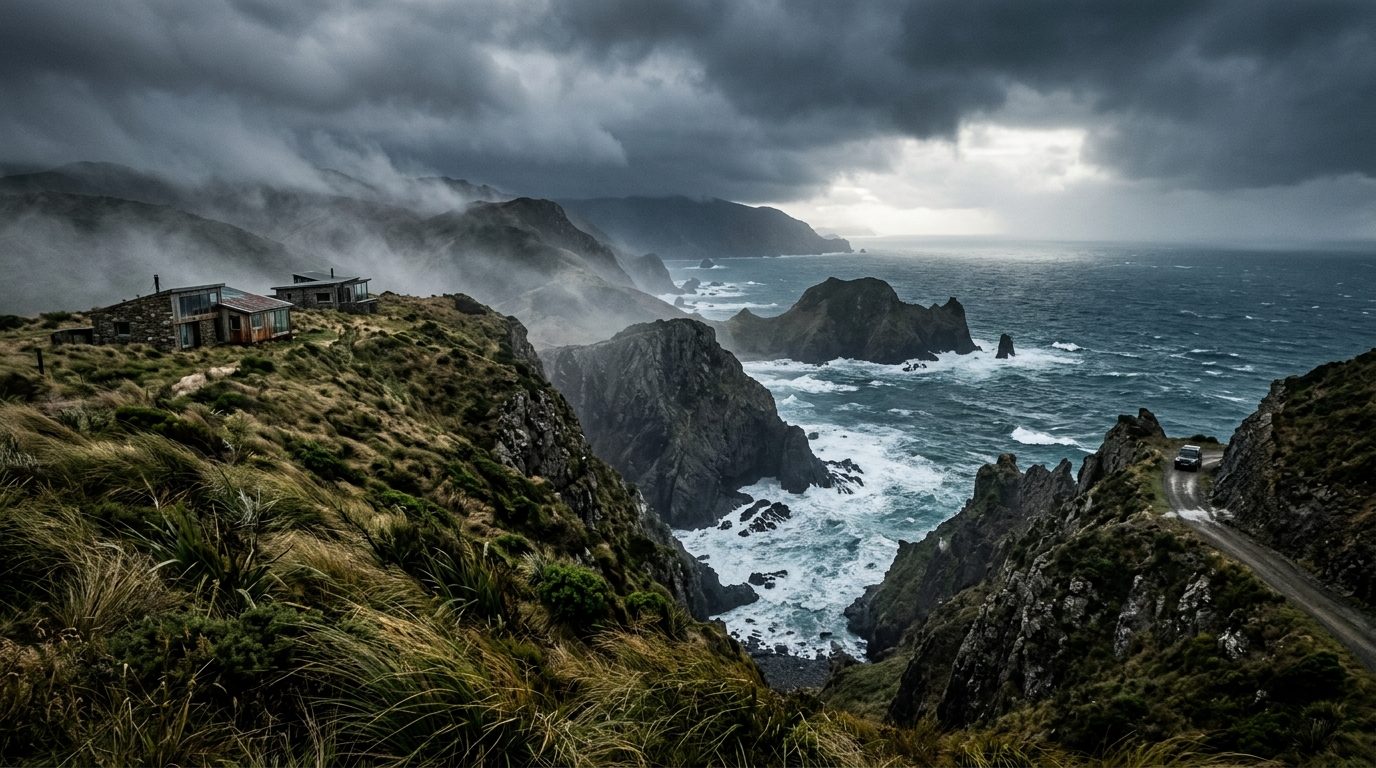
The South Coast is Wellington's private landscape: dramatic cliffs, turbulent Tasman waters, and a coastal character that is more Icelandic than Pacific. It is not a coast for swimming, it is a coast for looking, and for owning. Properties above the South Coast clifftops are among Wellington's most private and most distinctive holdings.
Wellington's South Coast is one of New Zealand's most dramatic coastal environments. The Tasman Sea arrives here without obstacle from the west, the water colour, the swell, and the atmosphere are entirely different from the sheltered harbour on the other side of the peninsula. Clifftop properties along Owhiro Bay, Baring Head, and the coastal road carry a wildness that is entirely at odds with the polished capital city fifteen minutes away.
To own on the South Coast is to own something that Wellington's own residents largely pass through rather than inhabit. The holdings that occasionally come available here are rare, private, and in a landscape category that has no equivalent elsewhere in the city.
Wellington is the kind of city that rewards patience. Its attractions are not immediately legible to the visitor passing through, they become apparent over time, and to those who look for them. What follows is an account of what the city genuinely offers to a buyer who is prepared to understand it.
As the seat of New Zealand's government, Wellington hosts the entire diplomatic corps, embassies, high commissions, and the relationships that matter for buyers navigating residency, investment structures, and the Overseas Investment regime. A residence in Wellington is a residence at the centre of those conversations.
Te Papa Tongarewa, the Museum of New Zealand, is one of the Southern Hemisphere's great national museums, a genuine institution, not a tourism facility. The New Zealand Symphony Orchestra, the Royal New Zealand Ballet, the New Zealand International Arts Festival, and Weta Workshop give Wellington a cultural density that belies its size completely.
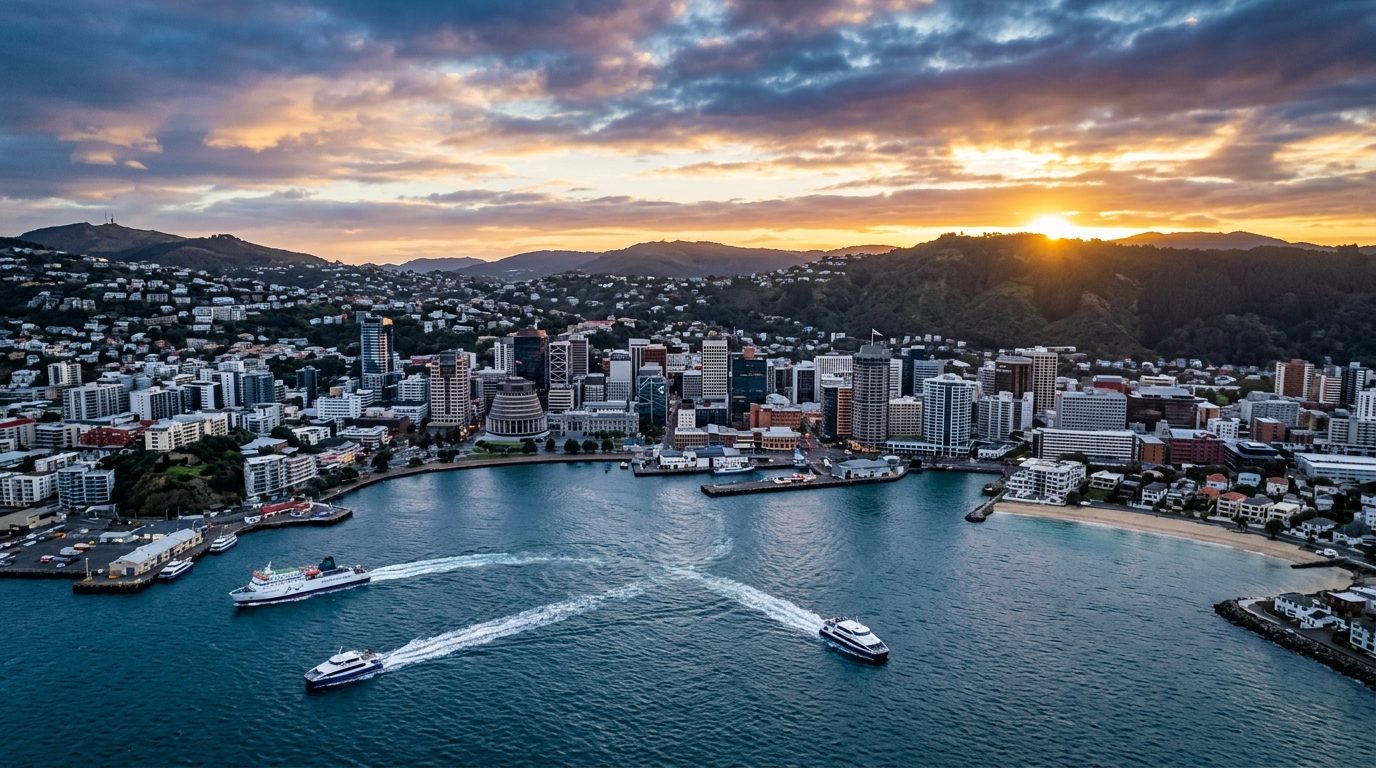
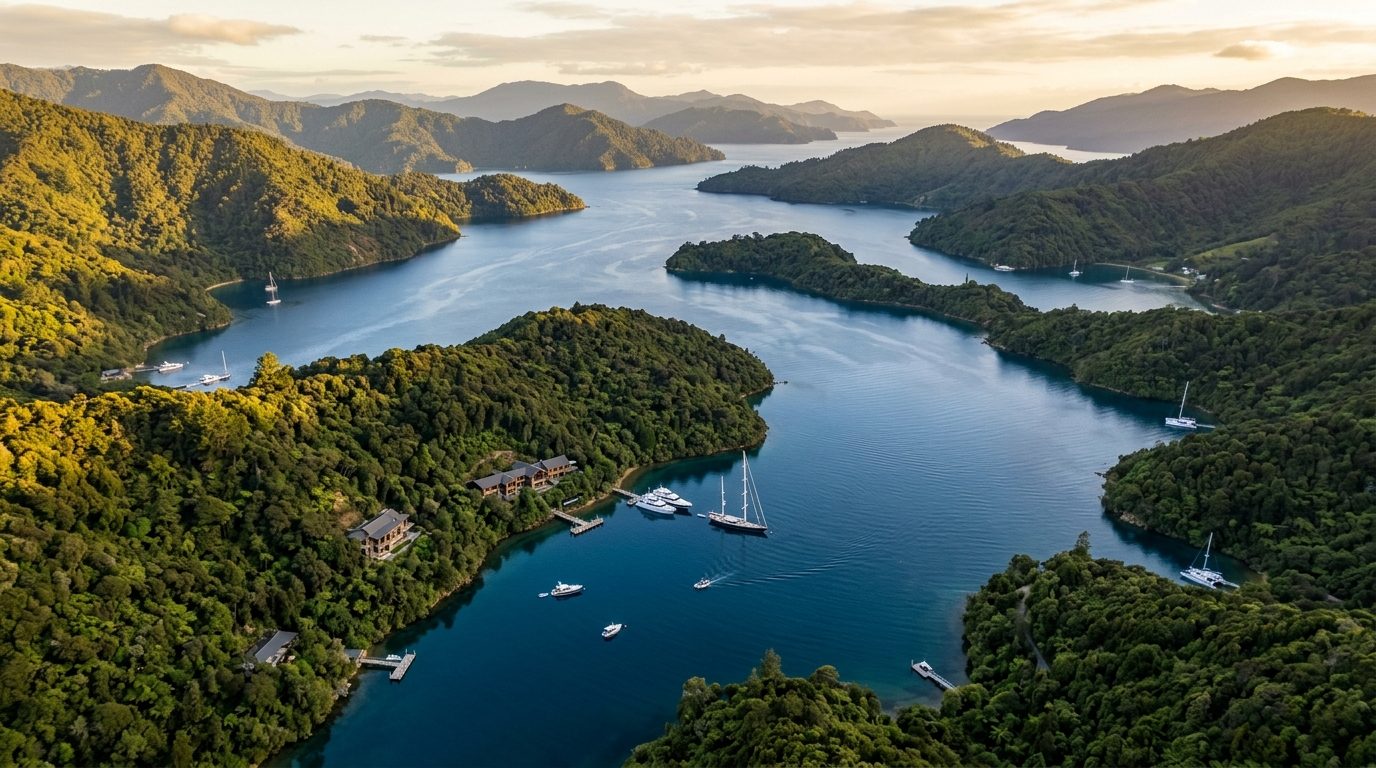
Wellington Harbour, Te Whanganui-a-Tara, is one of New Zealand's great working sailing environments. The prevailing winds are strong, consistent, and unforgiving, which makes Wellington sailing a discipline unto itself. The Royal Port Nicholson Yacht Club is the anchor of a serious sailing community. Waterfront residences at Oriental Bay and Roseneath have direct harbour access in a setting that combines city sophistication with genuine maritime character.
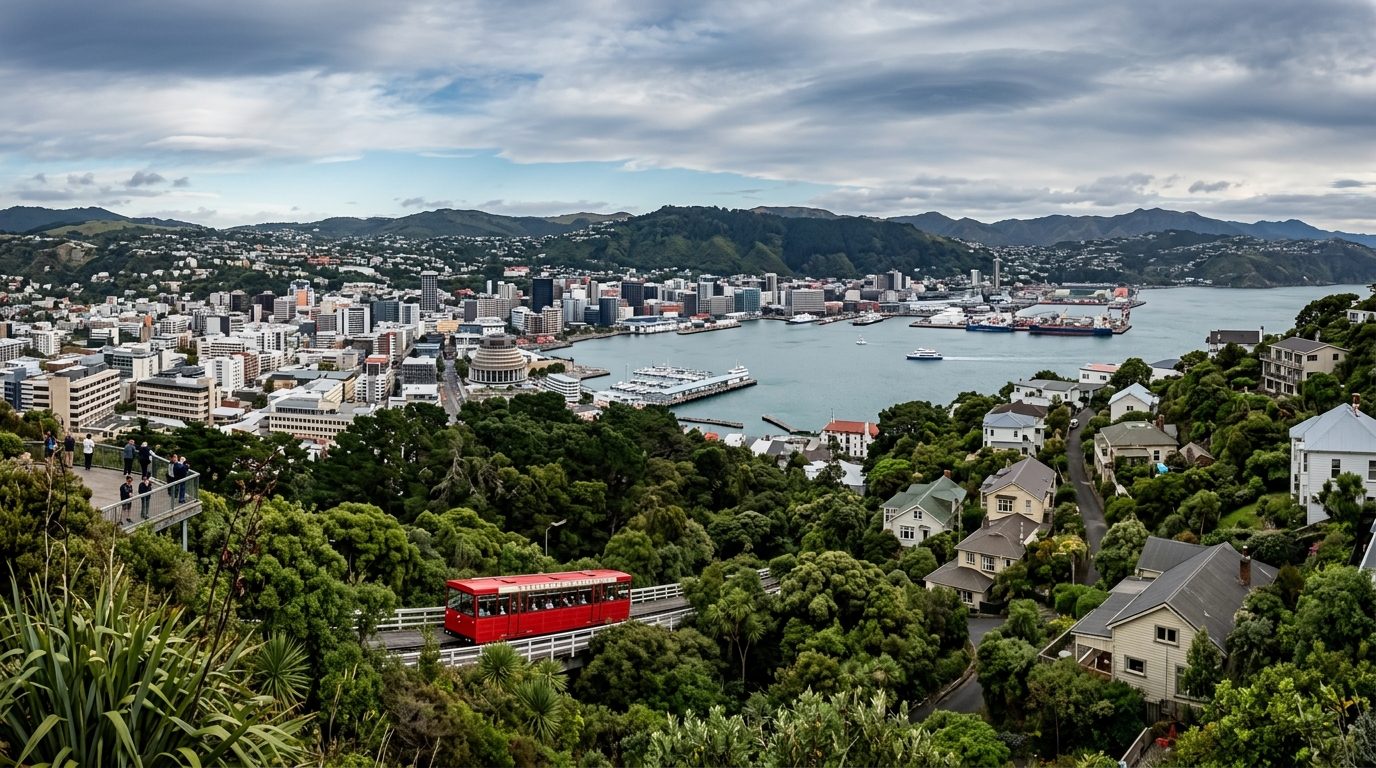
Wellington's topography, steep hills falling to a compressed harbour waterfront, has produced an architectural tradition of elevated homes with commanding harbour views. Kelburn, Wadestown, and the Brooklyn ridge offer residences where the entire harbour and the Hutt Valley beyond are part of the daily view. The building quality in Wellington's premium precincts reflects a city with exacting aesthetic standards and a tradition of serious architecture.
The Miramar Peninsula sits at the entrance to Wellington Harbour, a low-lying landmass of residential streets, clifftop reserves, and the international airport on its south shore. Weta Workshop's studios and facilities are here. So is Scorching Bay, a sheltered beach where the harbour meets the peninsula's eastern edge. Properties on Miramar's northern face, looking back across the harbour to the city, offer a perspective on Wellington that few residents ever experience.
Wellington Airport's proximity to the city (15 minutes from the CBD) and its direct connections to Australian capitals, Pacific destinations, and onward international routes make it the most practically connected regional hub in New Zealand. For buyers who divide their time between New Zealand and elsewhere, Wellington's airport infrastructure represents a genuine operational advantage.
"Wellington is the city that New Zealand keeps for itself. When visitors find their way here, they tend to stay longer than planned."
Kāhū Private, Regional Assessment
Wellington Harbour
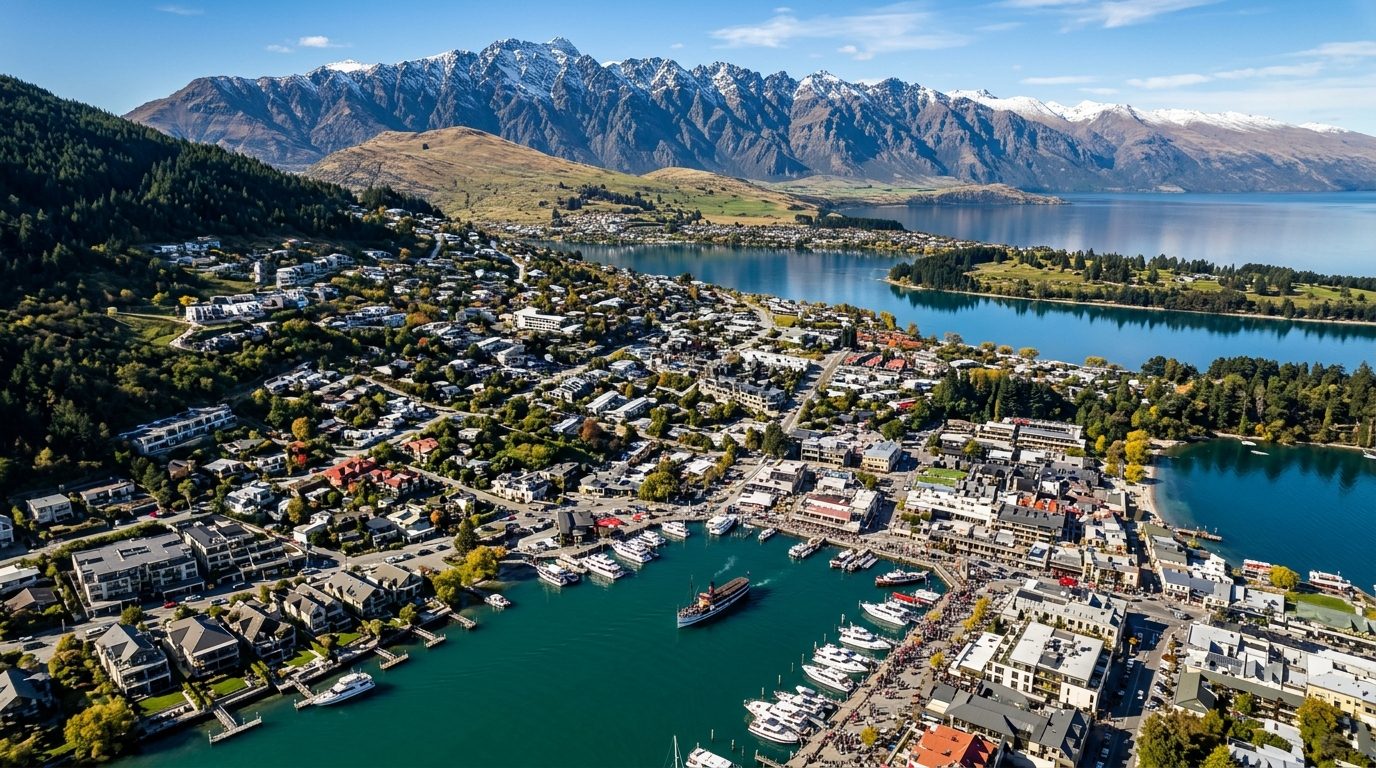
City Panorama
South Coast
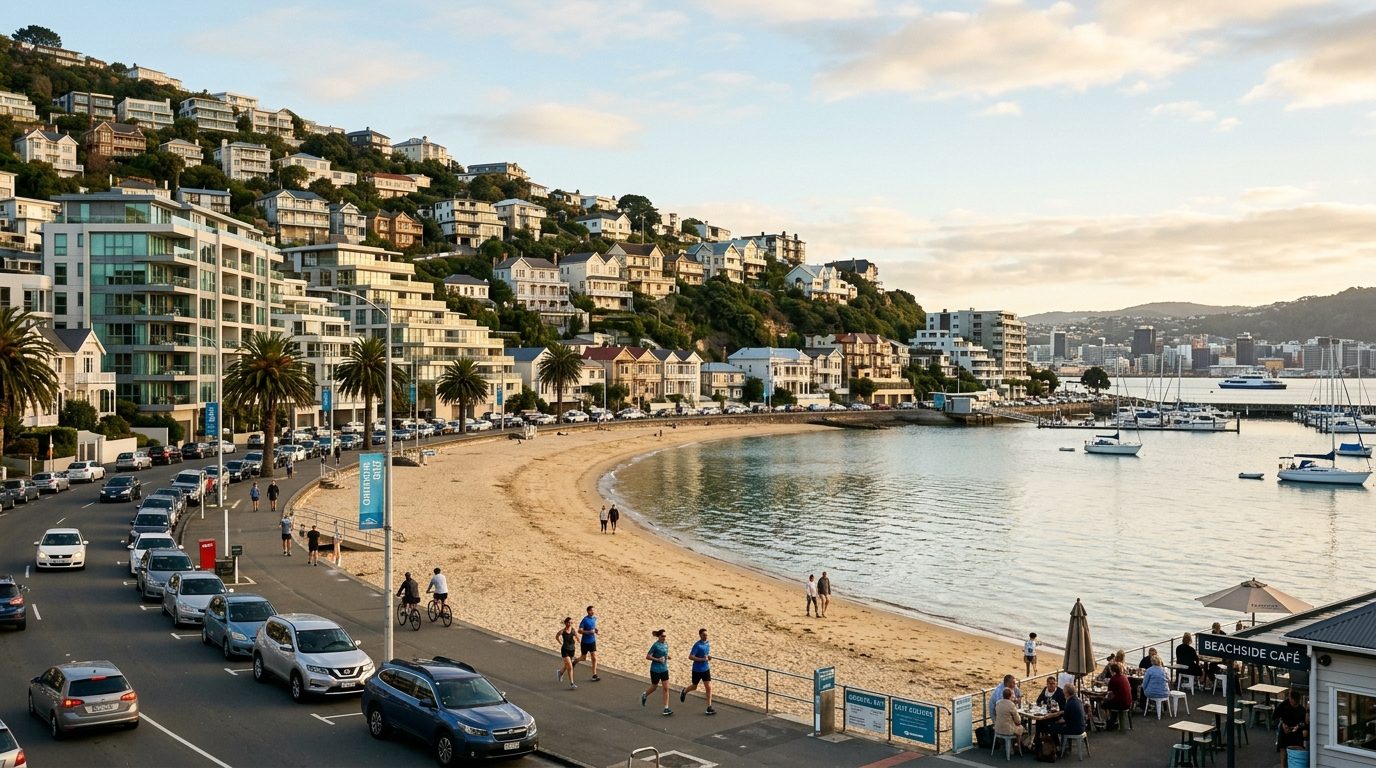
Oriental Bay
Miramar Peninsula
Kelburn, Wadestown, Roseneath, and Brooklyn's upper reaches hold Wellington's finest residential stock, elevated homes with full harbour views, set into steep bush-clad hillsides where privacy is a function of geography rather than gates.
Wellington's waterfront strip, from Te Papa along Oriental Parade to Roseneath, is the city's most visible premium residential address. Oriental Bay apartments and terraced homes offer direct harbour frontage in an urban setting that combines the energy of the waterfront with the amenity of the city.
Holdings above the South Coast cliffs are Wellington's most unusual residential offering, private, dramatic, and in a landscape category entirely distinct from the harbour-facing city. Owhiro Bay and the coastal bays beyond provide clifftop land where the Tasman is the permanent view.
Peninsula properties combine harbour and open-ocean aspects with the operational convenience of the airport at fifteen minutes. The enclave character of Miramar, accessible but contained, makes it Wellington's most distinctive residential micromarket.
Wellington operates on fundamentals that are distinct from Auckland, a function of the city's size, its primarily domestic buyer base, and the relative absence of the speculative energy that characterises the Auckland market in up-cycles.
Premium stock is genuinely limited. Wellington's hillside topology and compact footprint mean that truly exceptional residences, with full harbour views, architectural distinction, and genuine privacy, are in finite supply. The best properties here change hands rarely.
The diplomatic and government market creates a stable demand base. The presence of embassies, high commissions, government departments, and the parliamentary precinct creates a sustained demand for premium residential accommodation that is largely independent of general market sentiment.
OIA generally does not apply to Wellington residential. Standard residential property purchases in Wellington do not typically trigger Overseas Investment Act requirements, making acquisition more straightforward for international buyers than in regions where large landholdings are involved.
Wellington rewards long-term holders. The city's character, its institutions, and its compact scale make it a place that buyers tend to understand better over time. Those who acquire here for the long term find that the city gives more than it initially promises.
A private conversation about what Wellington genuinely offers costs nothing and commits you to nothing.